Patterns, systems, and curiosity

Dmitriy Braverman

I’m drawn to systems. Some are technical, like data platforms and databases. Some are human, like language, bridge, and conversation. Some are physical, like skiing and pickleball.

What interests me is how patterns emerge, how decisions are made, and how small details can change the whole picture.

Dmitriy Braverman portrait

The common thread is structure under uncertainty. I’m drawn to systems like language, bridge, money, and movement. Each with its own rules and patterns, but none fully predictable. That’s where they become interesting.

About

This site is a more personal space.

Professionally, I work with data systems. But outside of work, I tend to follow the same kind of curiosity into other areas: languages, bridge, monetary history, skiing, pickleball, and anything that reveals how people think and make decisions.

I don’t see these as separate interests. They all involve structure, uncertainty, and interpretation. That is probably the common thread.
Work and systems

My professional work is in data architecture. I design databases, data warehouses, pipelines, and reporting systems.

The work is technical, but the deeper challenge is usually analytical: understanding what the business really means, finding the right structure, and making information usable.

Good data systems should reduce confusion, not add to it. For a more professional view of this work, visit Bradallc.

Languages

Languages have always fascinated me.

I grew up with Russian and Ukrainian, built my life in English, and later spent time learning Italian and Spanish. Each language has its own rhythm and emotional range.

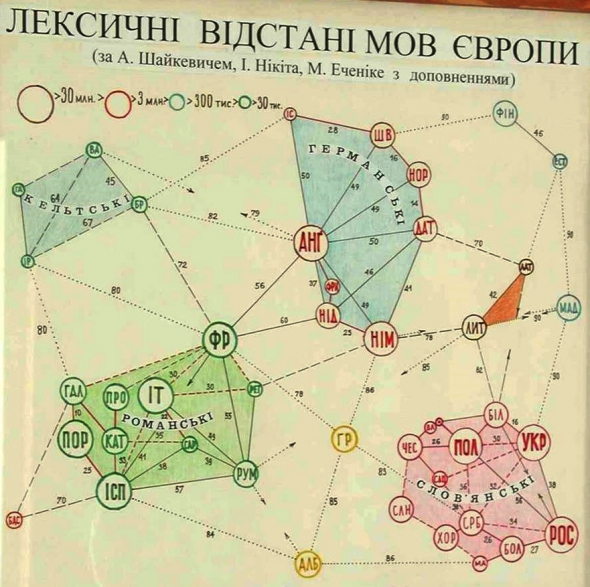
The same thought can feel slightly different depending on the language used to express it. That’s why I enjoy lexical maps and language-family diagrams. They make relationships between languages visible.

Related: language, thought, and multilingual life.

Lexical similarity map of European languages

Bridge

I play bridge online and at the Bridge Club of Houston.

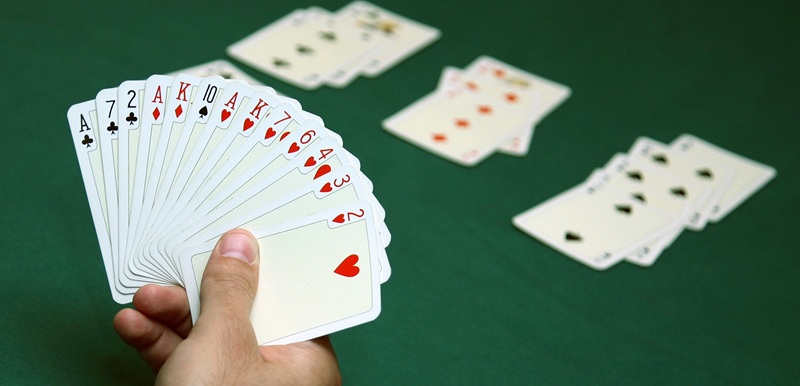
Bridge is endlessly interesting because it combines logic, probability, communication, memory, partnership, and psychology. You never have complete information, but you still have to act.

Every bid and every card carries meaning. That makes bridge more than a game to me. It is a compact model of decision-making under uncertainty.

Bridge hand with playing cards

Money and failed currencies

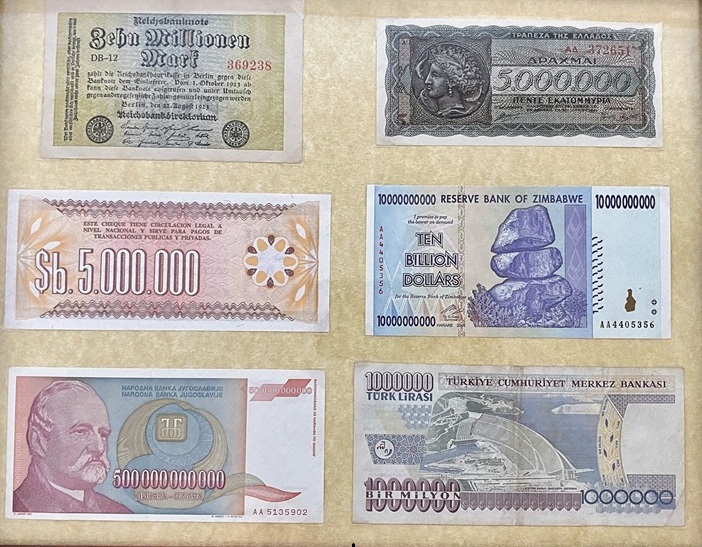
I collect banknotes from countries that went through hyperinflation or monetary breakdown.

Zimbabwe. Weimar Germany. Venezuela. Bolivia. Greece.

These notes are strange and beautiful objects, but they also carry a warning. They show what happens when trust in money breaks down.

A banknote is never just paper. It is a small physical record of confidence, policy, memory, and collapse.

Related: money, inflation, and monetary history.

Collection of historical banknotes from inflationary periods

Movement

I like movement that forces attention.

Downhill skiing gives you that immediately. The mountain sets the rules: terrain, gravity, snow, weather. You respond.

Pickleball is different but has its own rhythm: timing, positioning, reaction, anticipation. I play at Ace Pickleball Club, and I enjoy the combination of quick decisions and social energy.

Both sports pull me out of abstraction and into the present moment. Related: skiing, teaching, and the mountains.

Mountain landscape representing skiing and movement

A common thread

Looking across these interests, the pattern is pretty clear.

I’m drawn to systems that are structured but not fully predictable. Data. Language. Bridge. Money. Sports.

They all reward attention. They all punish careless assumptions. And they all become more interesting the longer you stay with them.

Data systems Languages Bridge Hyperinflation Skiing Pickleball
Interested in connecting?

Data, bridge, languages, skiing, pickleball, or the odd beauty of failed currencies.

dmitriy.braverman@gmail.com